Google Ads Management The Woodlands TX: How to Improve ROI With Expert Campaigns
For businesses in The Woodlands, paid search can be one of the fastest ways to generate qualified leads. It can digital marketing agency also become one of the fastest ways to waste money. The difference usually is not the platform itself. It is how the campaigns are built, monitored, and adjusted once real click data starts coming in.
That gap matters more in a market like The Woodlands, where competition is strong, household income is relatively high, and customer expectations are not casual. A law firm is not just competing against another law firm. A roofing company is not just competing against another roofer. Every serious advertiser is bidding for attention in the same search results, often during the same business hours, often targeting the same ZIP codes, and often chasing the same few high-intent phrases.
I have seen this play out repeatedly. A business owner launches Google Ads with a sensible budget, gets some calls, assumes things are working, then wonders why revenue never really scales. Another owner hands the account to a low-touch vendor, gets monthly reports packed with impressions and clicks, yet cannot answer the only question that matters: which campaigns are producing profitable customers?
Effective Google Ads management in The Woodlands TX is not about running ads just to appear online. It is about shaping a system that turns search demand into measurable profit. That means understanding local intent, matching ad copy to what people actually want, routing traffic to pages built to convert, and cutting wasted spend before it compounds.
Why ROI problems happen even when leads are coming in
One of the more frustrating parts of Google Ads is that an account can look active and still underperform badly. Calls come in. Forms get submitted. Traffic rises. On the surface, it feels productive. But if cost per lead creeps up, lead quality drops, or your close rate weakens, the account is quietly losing efficiency.
A common example is broad targeting. A campaign set to reach all of Houston might absolutely drive volume, but volume and return are not the same thing. If your service team is strongest in The Woodlands, Spring, Conroe, and nearby parts of Montgomery County, then paying for searches far outside your practical service footprint can dilute results fast. I have seen accounts where 25 to 40 percent of spend came from areas the business never intended to prioritize.
Another issue is keyword intent. Many advertisers assume a click from a relevant phrase is automatically valuable. It is not. Someone searching “what does roof repair cost” is not the same as someone searching “roof repair company near me.” Both may be relevant to a roofing contractor, but one search is informational and the other is much closer to action. That distinction can make or break profitability.
The same problem shows up in service categories with urgent demand. A plumbing company, HVAC business, criminal defense attorney, med spa, or home remodeling contractor often gets very different lead quality depending on the exact phrasing used in search. Skilled management means separating curiosity from purchase intent, then pricing each accordingly.
The local factor in The Woodlands and Montgomery County
National advice about Google Ads only gets you so far. The local market changes the math.

The Woodlands is not a generic suburb. Search behavior reflects the area’s demographics, commuting patterns, service expectations, and neighborhood segmentation. A family in Creekside Park may search differently than a commercial prospect near Research Forest. A homeowner dealing with storm damage may look for immediate help, while someone planning a kitchen remodel may spend weeks comparing options. Those differences should shape campaign structure.
That is one reason businesses searching for a google ads agency near me are usually not just looking for convenience. They are looking for judgment rooted in the realities of their market. A manager who understands local geography, seasonality, and competitive density can often make better decisions about bid modifiers, ad scheduling, and service-area exclusions than someone operating from a generic playbook.
The connection between The google ads management montgomery tx Woodlands and nearby Montgomery also matters. Search demand does not stop at city lines. If you offer services across the county, then google ads management montgomery tx and google ads management the woodlands tx may overlap in practical terms, but your campaigns still need clear geographic logic. You may want higher bids in The Woodlands because average deal value is higher, while maintaining separate campaigns or audience layers for Montgomery traffic where competition and customer behavior differ.
That is not a theoretical distinction. I have worked with businesses that discovered one service area generated more leads, but another generated more profitable jobs. Without clean location reporting and intentional account structure, those patterns stay hidden.
What expert Google Ads management actually changes
Plenty of agencies promise optimization. The useful question is what changes in the account when a skilled manager takes over.
The first thing is almost always structure. Many underperforming accounts are packed into too few campaigns and too few ad groups. Everything gets lumped together, which makes it hard to control bids, ad relevance, and budget allocation. If one campaign includes emergency repair terms, general service terms, and low-intent research phrases, your best opportunities often get buried under average traffic.
A better-built account creates separation where it counts. Brand traffic should not be mixed with non-brand acquisition. High-intent service queries should not be grouped with informational research. Core service lines often deserve dedicated campaigns, especially when close rates or job values vary significantly.
The second change is search term discipline. This is where a lot of wasted spend hides. Google’s keyword matching has become broader over time, which can help uncover opportunities, but it also increases the risk of paying for irrelevant or low-quality traffic. Expert management means reviewing actual search queries, not just the keywords you entered. It means adding negatives aggressively when patterns show up. It means keeping useful reach while trimming expensive noise.
The third change is messaging. Good ads do more than mirror a keyword. They pre-qualify. They answer concerns before the click. They filter weak prospects without sounding restrictive. A family law ad can emphasize confidential consultations and local experience. A roofing ad can stress insurance claim help, storm damage response, or financing, depending on the buyer profile you want. A home services ad in The Woodlands may perform better when it speaks directly to fast scheduling and clean, professional crews, because those are not minor details to local homeowners.
Then there is landing page alignment. This is one of the biggest missed opportunities in small and midsize accounts. Too many campaigns send every click to the homepage. That forces the visitor to figure out what to do next. A focused landing page narrows the path. It reinforces the exact service searched, shows proof, reduces friction, and makes contacting you easy from a phone. Even a modest improvement in landing page conversion rate can transform account economics without raising budget at all.
ROI starts with the right definition of a lead
Not every lead deserves the same value. This is where experienced management often outperforms basic campaign maintenance.
Say a contractor pays $70 per lead and feels good because a competitor is paying $110. That comparison is meaningless if the $70 leads rarely turn into booked jobs while the $110 leads close at a much higher rate. Cheap leads can be expensive in disguise.
I usually encourage businesses to think beyond cost per click and even beyond cost per lead. The more useful metrics are cost per qualified lead, cost per booked appointment, cost per sold job, and return on ad spend where revenue tracking is available. Once you start looking through that lens, campaign decisions become clearer.
One roofing client is a good example of this principle. Their old account was generating a fair number of form fills, but many were price shoppers or people outside the service area. After tightening keyword targeting, excluding low-fit geographies, and improving ad copy to emphasize full-service residential roofing rather than patchwork-only requests, total lead volume dipped slightly. Revenue rose anyway because lead quality improved. Their sales team spent less time chasing weak inquiries, and average job value climbed.
That is why google ads for roofing contractors often requires more nuance than general small-business PPC advice suggests. Roofing searches can spike around weather events, but emergency interest also attracts a lot of low-intent or mismatch traffic. If your specialty is full roof replacement rather than minor repairs, the account should reflect that clearly. Otherwise, you will pay for demand that your business is not built to convert.
The hidden role of conversion tracking
You cannot improve what you are not measuring correctly. In Google Ads, faulty tracking is more common than most business owners realize.
I have audited accounts where every page view was counted as a conversion. Others double-counted form submissions and phone calls. Some tracked clicks on a phone number rather than actual connected calls. On paper, these campaigns looked excellent. In practice, the reports were fiction.
Reliable conversion tracking is the backbone of optimization. It should distinguish between a meaningful lead and a casual action. For service businesses, that often means tracking form submissions, calls over a certain duration, appointment requests, booked estimates, or offline sales stages imported back into the platform. The more closely your tracking reflects real business outcomes, the smarter the bidding and reporting become.
This matters even more with automated bidding. Smart bidding can work well, but it is only as smart as the conversion data it receives. Feed it bad signals and it will optimize toward the wrong behavior at scale. I have seen automated campaigns aggressively chase spam calls because those calls were being counted as successful conversions. The system was doing exactly what it was told to do, just not what the business actually wanted.
When Local Services Ads should enter the mix
For certain service categories, Google Ads is not the whole picture. Local Services Ads can be a strong addition, especially when trust and immediacy influence buyer decisions.
In home services, legal, and a few other verticals, LSAs can sit above traditional search ads and feature the Google Guaranteed or screening-based profile elements people recognize. That can improve response rates, especially on mobile. But LSAs are not automatically superior. They have their own issues with lead quality, dispute handling, and uneven volume.
For some businesses in the region, local services ads management montgomery tx should be handled alongside standard Google Ads rather than treated as a separate side project. The best results often come from coordinating both channels. Search campaigns can capture high-intent keyword traffic with precise messaging, while LSAs absorb part of the mobile lead flow where trust badges carry weight. Without coordination, you can end up competing against yourself or overfunding one channel based on incomplete reporting.
The right balance depends on your category, close rate, review profile, and average ticket size. A locksmith or plumber may lean harder into LSAs because immediacy dominates the buying decision. A custom remodeler may rely more on traditional search because the sales cycle is longer and the prospect needs more context before reaching out.
Budget strategy is where many accounts drift off course
Budget decisions should not be driven by guesswork or frustration. Yet that is often what happens. A business owner sees a quiet week and raises spend impulsively. The next month feels expensive, so spend gets cut. Performance becomes harder to interpret because the account never stabilizes.
A stronger approach is to tie budget to search demand, margin, and capacity. If a campaign consistently produces profitable leads and impression share is low due to budget, that is a sensible case for increasing spend. If the campaign is limited by poor conversion rate or weak lead quality, spending more usually just amplifies the problem.
Seasonality should shape these choices too. HVAC, roofing, landscaping, med spa, and legal verticals all have patterns. Even within the same county, demand can swing significantly based on weather, school schedules, holidays, and storm activity. Expert management does not simply react to these cycles after the fact. It plans around them, using historical trends and local context where available.
The Woodlands market also rewards businesses that understand capacity constraints. There is little point in scaling ad spend aggressively if your team cannot answer calls promptly, follow up on estimates, or maintain service quality. The best PPC campaigns are connected to operational reality. Marketing cannot fix bottlenecks in intake or sales by itself.
What business owners should expect from a serious agency
If you are evaluating google ads management the woodlands tx, you should expect more than dashboard screenshots and generic monthly summaries. Competent management shows up in the decisions being made, not just in the reports being sent.
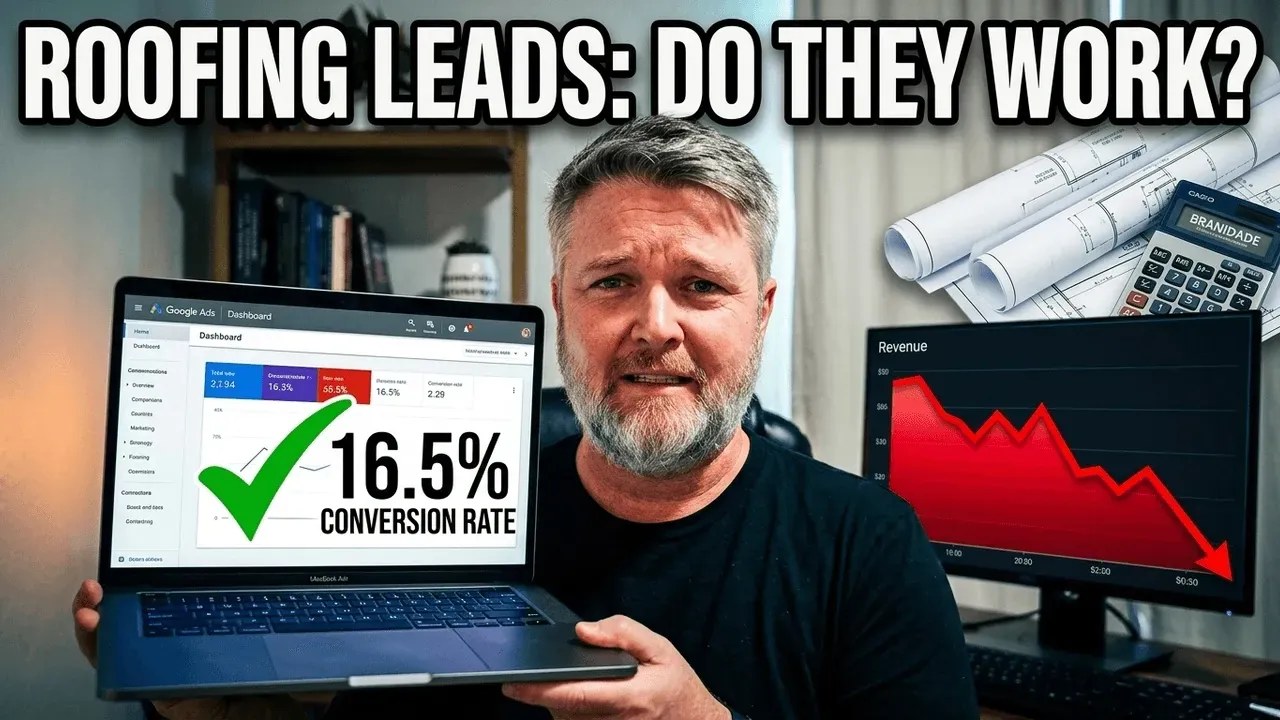
A serious agency or consultant should be able to explain why budget is distributed the way it is, which search terms are being excluded, how landing pages are performing, and what changes are likely to improve lead quality. They should also be candid when the problem is outside Google Ads, such as weak call handling, slow follow-up, poor page speed, or vague offers.
There should be a line connecting campaign activity to business outcomes. Not every result can be forecast perfectly, especially in smaller accounts where data volume fluctuates. Still, the logic behind the strategy should be clear. If the explanation sounds like jargon or evasion, that is usually a warning sign.

The best account managers I know spend a lot of time in the uncomfortable middle, where marketing data meets messy real-world sales feedback. They ask which leads were good, which locations produced the best jobs, which services closed fastest, which ads attracted bad-fit calls, and where the intake process broke down. That is where performance gains often come from.
How a mature account improves over time
Strong Google Ads management is not a one-time setup. It is an ongoing refinement process. The account should get sharper as data accumulates.
In the early phase, the priority is usually cleaning structure, correcting tracking, aligning ad groups to intent, and reducing obvious waste. Once that foundation is in place, the work becomes more strategic. You can compare device behavior, test alternate offers, split campaigns by service area, evaluate daypart trends, and identify which landing pages deserve more traffic.
Over time, certain patterns emerge. Mobile may drive more calls but lower average deal value. Desktop traffic may convert less often but produce bigger projects. Searchers in one ZIP code may cost more yet close at a higher rate. One service line may look expensive until you compare its margins to the rest of the business. Those are the insights that move an account from merely active to truly profitable.
This is why businesses that have been burned before by PPC often change their view once management improves. The platform did not necessarily fail them. More often, the account lacked the attention, judgment, or business context needed to perform.
Choosing the right path for your business
Not every company needs an elaborate campaign system on day one. A smaller local business with one core service may do well with a tightly focused setup, excellent tracking, and a disciplined negative keyword strategy. A more established company with multiple crews, varied service lines, and ambitions across Montgomery County will usually need more segmentation and a deeper reporting framework.
The right path depends on lead goals, service area, competitive pressure, and sales process maturity. But one principle holds up almost every time: profitable Google Ads accounts are built with restraint as much as ambition. They say no to weak traffic. They prioritize fit over volume. They are willing to sacrifice vanity metrics in exchange for stronger unit economics.
That is especially true for businesses trying to win locally in The Woodlands. This is a market where buyers notice professionalism, respond to relevance, and often have options. Sloppy targeting gets punished. Thin messaging gets ignored. Weak landing pages leak value.
Handled well, Google Ads can create a reliable stream of high-intent prospects. Handled casually, it becomes an expensive guessing game. The return is rarely accidental. It comes from disciplined targeting, precise tracking, better messaging, and ongoing decisions grounded in what the business actually needs, not what a default campaign setting happens to deliver.
For companies comparing providers, whether they are searching google ads agency near me, looking into google ads management montgomery tx, or trying to improve existing google ads for roofing contractors campaigns, the real question is simple. Are your ads producing profitable customers, or just activity? Once you answer that honestly, the next steps usually become much clearer.
About Results Digital
Results Digital is an internet marketing service in Montgomery, TX for contractors and trades: local SEO that ranks them in the Google map pack and AI search, and Google Ads (with Local Services Ads management) optimized to booked jobs. Month-to-month, one client per trade per market.
Montgomery, TX 77316 · Serving Montgomery County, The Woodlands, Conroe and greater Houston
Phone: (832) 850-2641
Website: resultsdigitalus.com
Find us on Google Maps